
By Neil Moxham
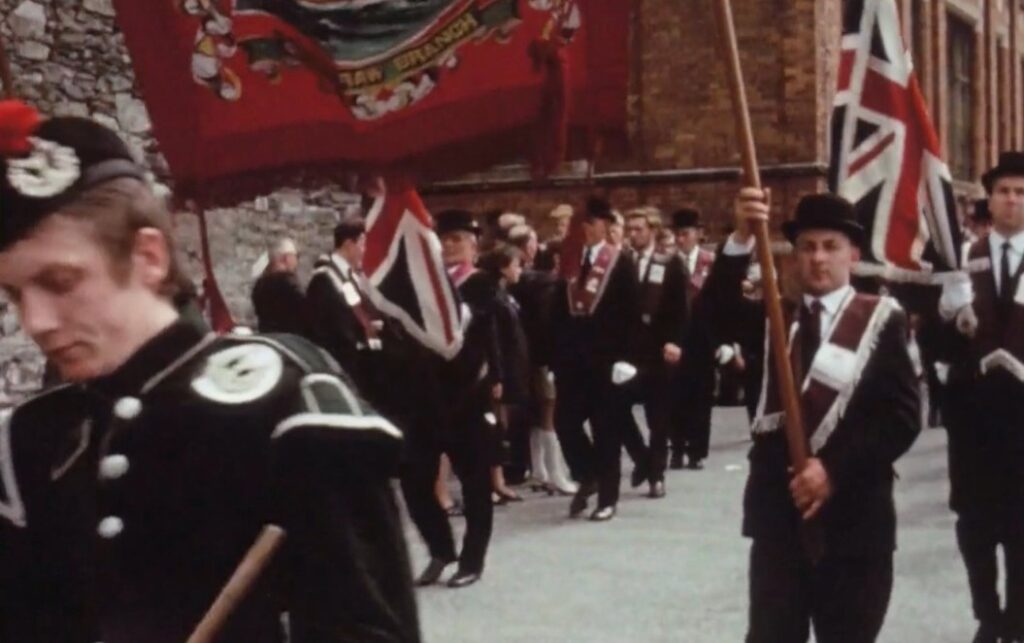
Terence McDonald (1926–2001) was an amateur film-maker from Derry active from the early 1960s to the early 1980s. A teacher by profession, he completed over twenty films under the banner of Fairview Films, taking on all aspects of film production and covering a huge range of genres and subjects. His collection represents a thoughtful and constantly evolving talent, ranging from comedy to social commentary and from theology to the Troubles. McDonald’s film library, now in the custody of the IFI Irish Film Archive, betrays a fondness for early Hollywood slapstick, and two of his earliest short films follow this template: The Man from A.U.N.T. (1965) and The Fugitive (1966), which were used as interval entertainment at local pantomimes. His first serious film project was A City Solitary (1963), a co-production with his teaching colleague John Hume. It features extensive, original footage of Derry to illustrate the city’s history. McDonald and Hume subsequently teamed up for The Open Door (1966), about mental health services available locally, and two films made in 1968: Two Hours from London, which promotes the city as a holiday destination, and The City of Londonderry, which focuses on its industrial investment potential. These films are a fascinating time capsule of a more innocent and optimistic time. One further collaboration—Long Hard Road (1972)—had a darker tone and documents the work of a US-based charity helping a beleaguered Catholic community in the early years of the Troubles.
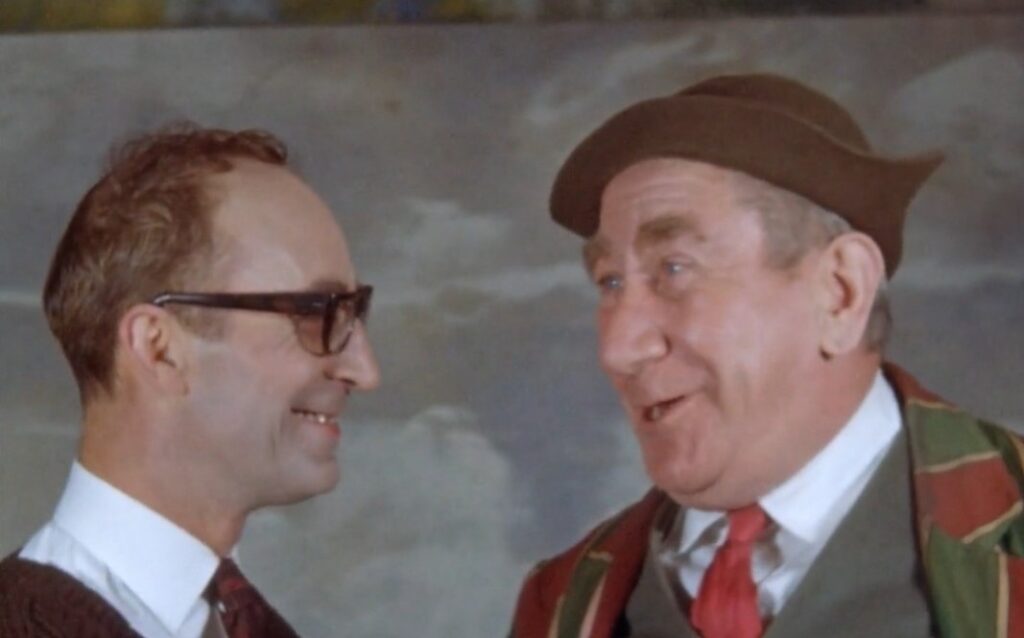
Away from Derry, both Parish Centre (1960s) and Ballinascreen (1967) document rural parishes where a traditional way of life is undergoing profound changes, while The Portable Theatre (1969) similarly follows a travelling revue just as this form of entertainment is becoming obsolete. In Benburb (1970s) a pre-Eurovision Dana is among the cast rehearsing a musical about the history of mankind, while The Option examines the role of religion in modern Ireland.
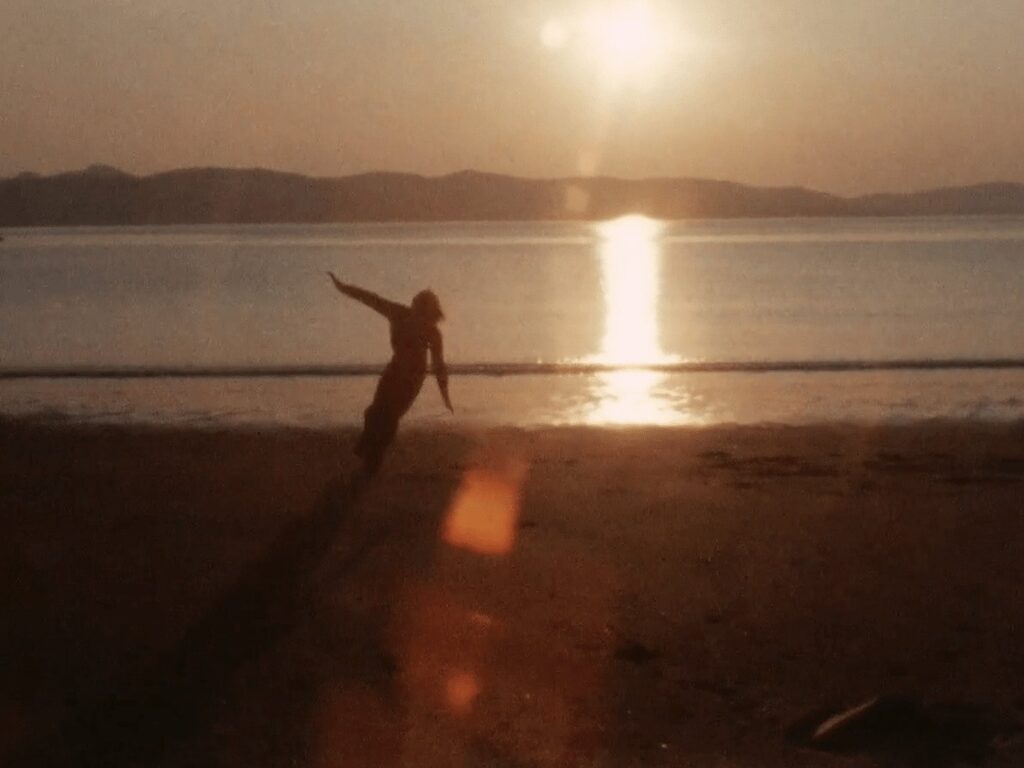
In the early 1970s McDonald turned his attention from documentaries to more conceptual art films. The Secret (1973), The Stones Will Speak (1974), Requiem for Sally (1979) and Twilight Belle (1970s) each explore themes of faith, alienation, bereavement and the supernatural. They remain genuinely thought-provoking works 50 years on. Meanwhile, the dialogue-free experimental films Nebelung (1975) and Zwischen uns sei Wahrheit (1978) are more ambiguous. McDonald’s family suggest that these, despite winning awards, were actually intended as parodies.
Terence McDonald’s most ambitious (and apparently his last) film project was as producer on The Best Man (1984), a gritty ‘kitchen sink’ drama about a gregarious but privately unhappy alcoholic. In more recent years a digitisation project was undertaken in partnership with Northern Ireland Screen, and all of the above films can be viewed free of charge and region-free at https://ifiarchiveplayer.ie/terence-mcdonald/.
TWO HOURS FROM LONDON
1968 / 23 mins
Producers Terence McDonald and John Hume highlight the sights and sounds of Derry in this picturesque travelogue, aimed specifically at travellers flying from London.
THE PORTABLE THEATRE
1969 / 24 mins
An appealing portrait of the McCormick players, one of the last travelling theatre groups in Ireland in the late 1960s.
NEBELUNG
1975 / 10 mins
One of Terence McDonald’s more experimental, darker films, Nebelung centres on the distressed mental state of a German-language teacher precipitated by the discovery of an old photograph in his classroom.
Neil Moxham is former Film Project Officer in the IFI’s Irish Film Archive.