
By Brian Crowley
A new exhibition in Kilmainham Gaol Museum explores a remarkable collection of photographs taken by political prisoners during the War of Independence with cameras smuggled into the prison. The collection features over 120 photographs depicting various activities in the prison, such as boxing matches, Irish-language classes and religious services. Images of everyday life show the men enjoying the sunshine in the south-facing yards, cooking food in the prison kitchen and playing with two dogs that they seem to have acquired! The prisoners also ran a drama class and a number of the photos feature staged dramatic scenes that appear to have been inspired by both the recent conflict and the silent films popular at the time.
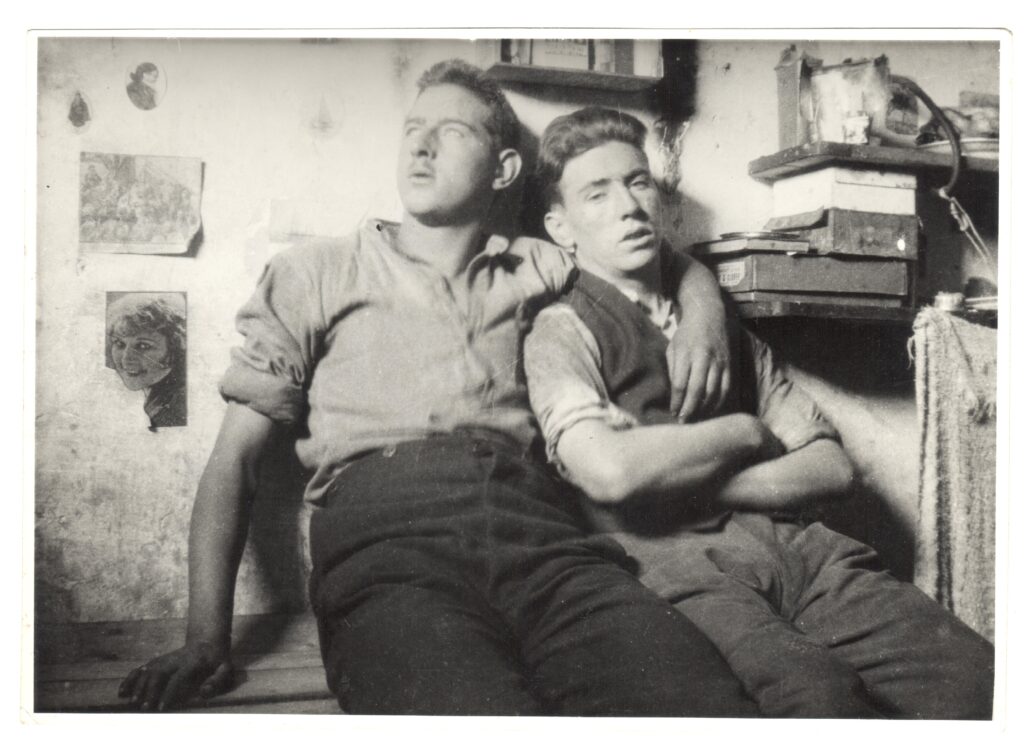
The majority of the photographs were taken by Vincie Lawler from Grangegorman, who was a keen amateur photographer. Letters to his mother on display in the exhibition include one from 26 November 1921 in which he asks her to hide some film and developing paper in a tin of toffees and send them to him in the gaol. Based on the film he requested, he seems to have had at least two cameras, a Kodak Brownie No. 2 and a Vest Pocket Kodak. Lawler developed the photographs in the prison and sent some of them out to his mother with instructions that they were not to be published. Despite this warning, a number of them did make their way into the newspapers. While taking photographs would have been against prison rules, it seems likely that the authorities may have turned a blind eye much of the time; the prison regime began to relax from July 1921 onwards, after the agreement of a truce between the leaders of the IRA and the British government. Both sides in the prison were essentially playing a waiting game in anticipation of a final settlement of the conflict.
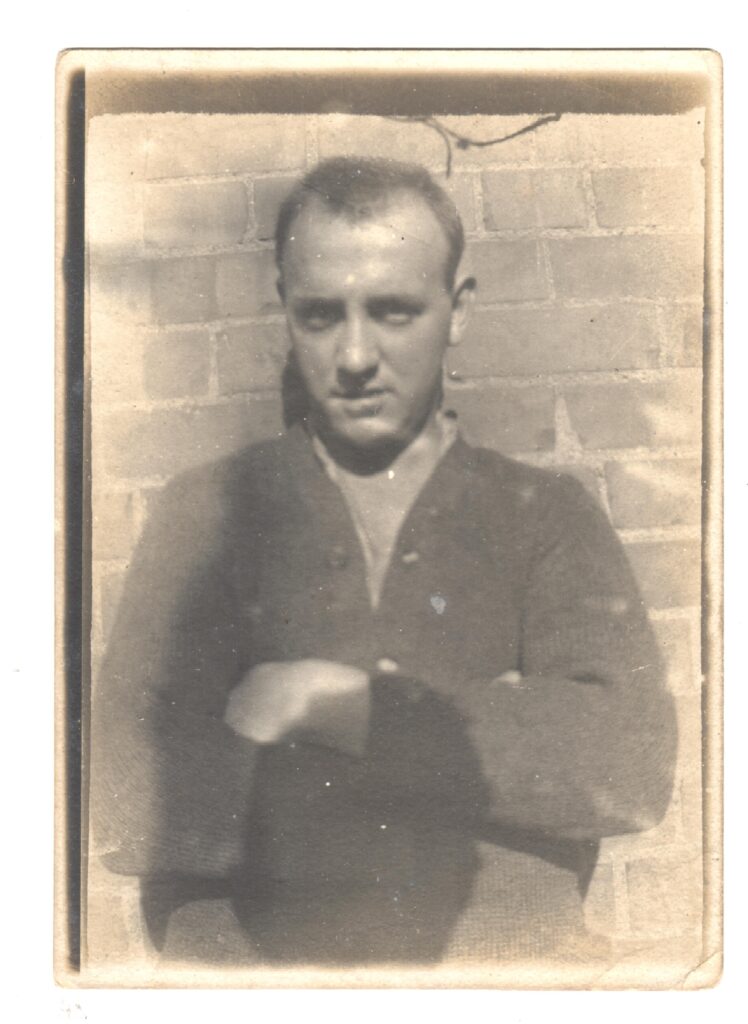
Lawler was a member of a group known as the ‘Fanners’. Consisting of 42 men in total, they had all been arrested on 9 June 1921 at an IRA signalling class taking place at 41 Rutland Square (now Parnell Square). However, the majority of the prisoners in Kilmainham had been arrested in the wake of the attack on the Custom House on 25 May 1921. Among them was Cyril Daly, originally from Eastbourne in England. During his time in Kilmainham he photographed approximately 60 of his comrades from the Custom House attack and assembled them in a small album, which the men also signed. In addition to displaying the original album, the exhibition features a reproduction of the entire album, allowing visitors to see all the names and faces it contains.
The exhibition includes a selection of artefacts, including several autograph books kept by the prisoners which contain drawings of cells, humorous verses and a sketch of the prisoners’ dog. Before their release, the prisoners scoured the building for any small fittings they could remove as souvenirs, in particular the number plates from their cells. Frank Carbery, who appears in many of the photos, carefully preserved four candles which came from the altar used at one of the last prison Masses. Other items on display include an image of the Virgin Mary with the title ‘Patroness to the IRA’. It was drawn on the reverse of a lid from a box of Williams & Woods confectionery, most likely a treat sent to one of the prisoners in a parcel from home. In November 1921 Liam Kavanagh from Wicklow painted a watercolour sketch for a fellow prisoner based on George Frederic Watts’s famous symbolist painting ‘Hope’. Kavanagh named his version ‘Hope Deferred’, reflecting the growing sense of despair felt by many of the prisoners about the possibility of their release.
Despite Kavanagh’s sense of hopelessness in November, freedom came shortly afterwards on 8 December, following the signing of the Treaty. British Pathé were on hand to record the prisoners’ release and the large crowd that gathered at the prison gates to witness them leaving the gaol. This is the earliest film footage of Kilmainham Gaol and is being shown in the museum for the first time as part of the exhibition. The cameras followed some of the released prisoners, a number of whom travelled in an open-air carriage to the Mansion House, where the Dáil was headquartered at the time. According to one newspaper report, they made no attempt to interrupt the ‘serious deliberations within’. This was an allusion to a very heated cabinet meeting about the newly signed Anglo-Irish Treaty which was taking place inside the building that day. Within days, this newsreel was being advertised in the listings for Dublin cinemas.
The exhibition runs until the end of October 2026. Admission is free and does not require advance booking.
Brian Crowley is Curator of Collections for Kilmainham Gaol and the Pearse Museum.